 English
 日本語
日本語 한국어
한국어 français
 tiếng việt
 Indonesia
 Español
 العربية
 русский
 português
 Deutsch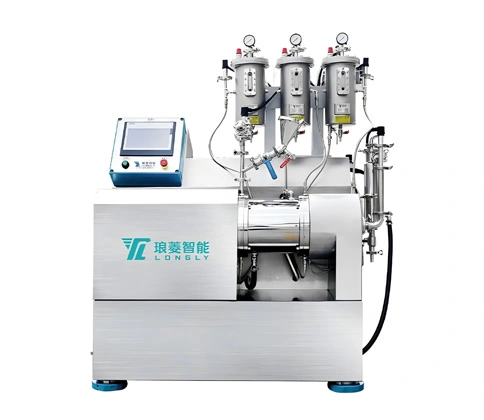
Mar 29, 2024
Company News

Poor water solubility remains one of the biggest challenges in pharmaceutical development. Industry studies have shown that a significant proportion of newly discovered drug candidates exhibit low aqueous solubility, which can limit bioavailability and reduce therapeutic effectiveness. As pharmaceutical companies seek new ways to improve drug delivery, nanocrystal technology has emerged as a practical and scalable solution.
.jpg "/uploads/image/2026/06/25/1 生物制药(1).jpg")
Among the various nanoparticle production methods, wet bead milling has become one of the most widely adopted technologies for producing pharmaceutical nanocrystals. By reducing drug particles to the nanometer range, wet bead milling helps increase dissolution rates, enhance absorption, and improve overall drug performance.
This article explores how wet bead milling supports nanocrystal production, compares it with traditional micronization technologies, and discusses the specialized requirements of pharmaceutical-grade milling equipment.
Nanocrystals are pure drug particles stabilized by surfactants or polymers, typically ranging from tens to several hundred nanometers in size. Their primary advantage lies in the increased surface area available for dissolution.
In pharmaceutical applications, wet bead milling uses grinding media and high-energy collisions to progressively reduce suspended drug particles within a liquid medium. Through careful process optimization, particle sizes below 200 nm can often be achieved.
The benefits of nanocrystal formation include:
Enhanced dissolution rate of poorly soluble drugs
Improved oral bioavailability
Faster onset of therapeutic action
Potential dose reduction
Greater formulation flexibility
Unlike some bottom-up nanoparticle production methods, wet bead milling is considered a top-down process, making it suitable for a wide range of active pharmaceutical ingredients (APIs) without requiring complex chemical modifications.
The effectiveness of many oral drugs depends on how quickly they dissolve in biological fluids before absorption. When particle size decreases, surface area increases dramatically, accelerating dissolution according to well-established pharmaceutical principles.
| Particle Size | Relative Surface Area | Dissolution Performance |
|---|---|---|
| 50 μm | Low | Limited |
| 5 μm | Moderate | Improved |
| 200 nm | Very High | Significantly Enhanced |
By producing nanocrystals through wet bead milling, pharmaceutical manufacturers can improve the absorption characteristics of poorly soluble compounds without altering their molecular structure.
This approach has become particularly valuable for:
Oncology drugs
Anti-inflammatory compounds
Antifungal medications
Central nervous system therapeutics
New chemical entities with low solubility
As drug pipelines increasingly contain complex molecules, nanocrystal technology continues to gain importance in formulation development.
Several particle size reduction technologies are used in pharmaceutical manufacturing. However, not all can reliably produce nanoparticles suitable for advanced drug delivery systems.
| Technology | Typical Particle Size | Nanocrystal Capability | Process Complexity |
|---|---|---|---|
| Jet Milling | 1–10 μm | Limited | Moderate |
| Mechanical Micronization | 5–50 μm | No | Low |
| High-Pressure Homogenization | 100–500 nm | Yes | High |
| Wet Bead Milling | <200 nm possible | Excellent | Moderate |
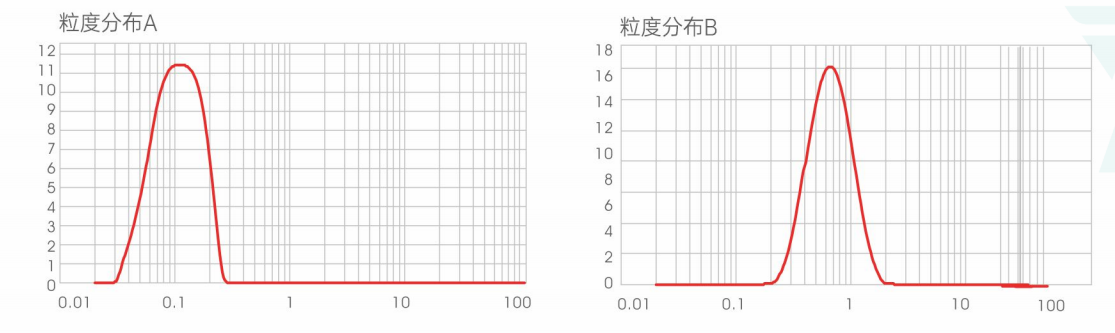
Capable of achieving sub-200 nm particle sizes
Suitable for heat-sensitive pharmaceutical compounds
Scalable from laboratory development to commercial production
Compatible with continuous processing
Relatively low energy consumption compared with some alternative technologies
Media selection must be carefully controlled
Equipment contamination risks must be minimized
Process validation is required under GMP standards
These factors make equipment design particularly important in pharmaceutical environments.
Producing pharmaceutical nanocrystals requires far more than simply reducing particle size. Equipment must comply with stringent quality and regulatory expectations.
All product-contact components should be manufactured from pharmaceutical-grade materials, such as:
High-grade stainless steel
Ceramic-lined grinding chambers
Pharmaceutical-certified sealing systems
These materials help prevent contamination and ensure product purity.
One of the primary concerns during wet milling is media wear. Grinding media and chamber materials must exhibit:
High wear resistance
Low contamination risk
Excellent chemical stability
For this reason, pharmaceutical manufacturers often select premium ceramic grinding media and specialized chamber materials.
Pharmaceutical production requires documented validation and traceability.
Key requirements include:
Cleaning validation
Process repeatability
Batch consistency
Qualification documentation
Regulatory compliance support
Equipment suppliers serving pharmaceutical customers must therefore focus on both performance and compliance.
From early-stage formulation research to pilot-scale production, equipment flexibility plays a crucial role in nanocrystal development.
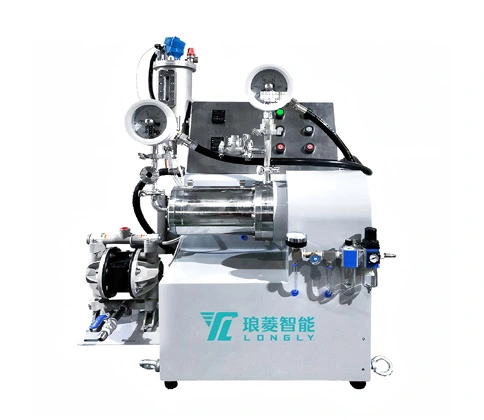
Longly's laboratory bead mills are designed to support:
Formulation screening
Process optimization
Nanocrystal feasibility studies
Small-batch pharmaceutical research
Researchers can efficiently evaluate different grinding media, stabilizers, and process parameters before scaling up.
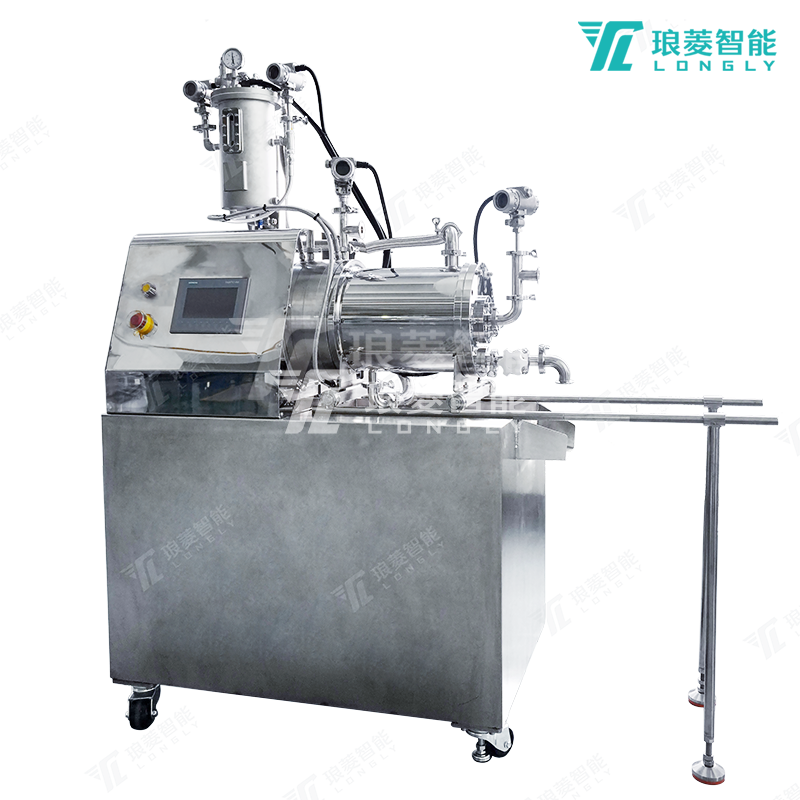
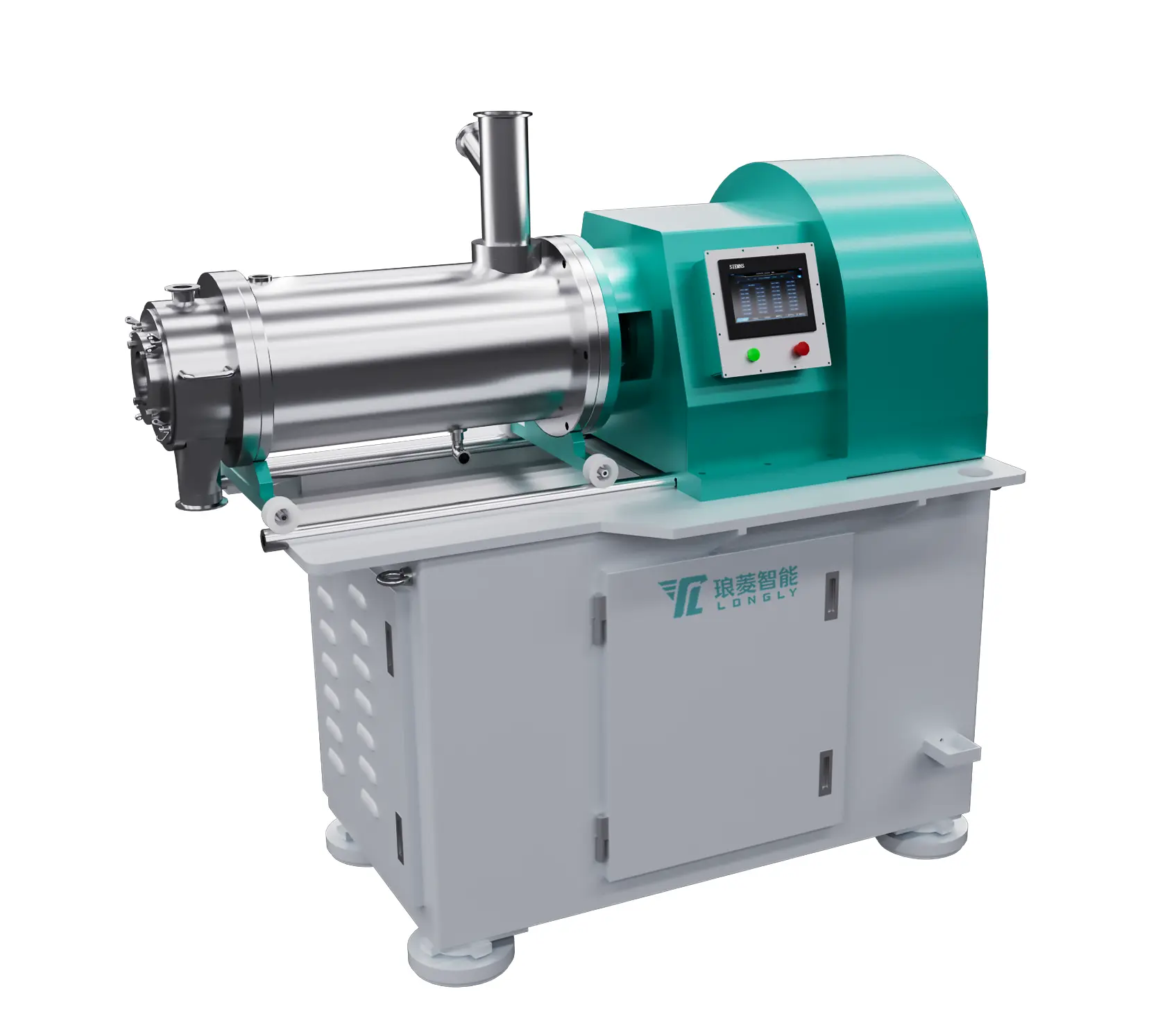
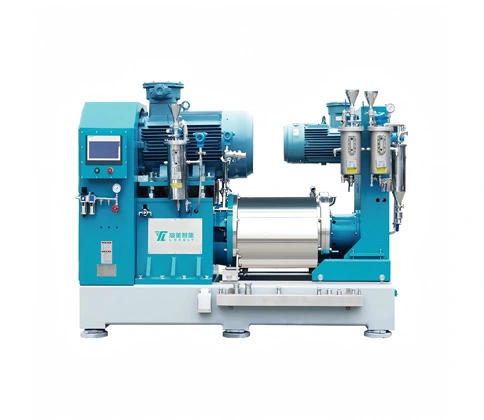
For larger-scale manufacturing, Longly offers bead milling solutions designed with:
Precision particle size control
Low contamination operation
Stable continuous processing
Scalable production capability
These systems help pharmaceutical manufacturers maintain consistent product quality while meeting increasingly demanding nanoparticle specifications.
As nanomedicine and poorly soluble drug development continue to expand, advanced wet bead milling technology is becoming a critical tool across the pharmaceutical industry.
Nanocrystal technology has transformed the way pharmaceutical companies address poor drug solubility and bioavailability challenges. Among the available production methods, wet bead milling in pharmaceuticals offers an effective combination of scalability, process flexibility, and nanoparticle performance.
By reducing drug particles to the nanometer range, manufacturers can enhance dissolution behavior and therapeutic effectiveness without altering the drug's chemical structure.
For pharmaceutical researchers and manufacturers pursuing advanced nanocrystal formulations, Longly's laboratory and production-scale bead milling solutions provide the precision, cleanliness, and process reliability required for modern pharmaceutical development.
Wet bead milling is a particle size reduction process that uses grinding media in a liquid suspension to produce fine and nanosized pharmaceutical particles, often for improving drug solubility and bioavailability.
Depending on the formulation and process conditions, wet bead milling can often produce nanocrystals below 200 nm and, in some cases, even smaller.
Nanocrystals increase the surface area of drug particles, accelerating dissolution and improving absorption in the body.
Jet milling typically produces micron-sized particles, while wet bead milling can achieve much smaller nanoparticle sizes suitable for nanocrystal formulations.
Important factors include contamination control, GMP compatibility, wear-resistant materials, validation support, scalability, and consistent particle size performance.