
 English
 日本語
日本語 한국어
한국어 français
 tiếng việt
 Indonesia
 Español
 العربية
 русский
 português
 Deutsch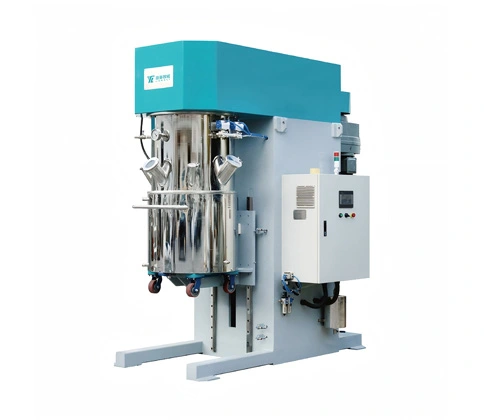



Sep 01, 2026
Exhibitions & Events

Carbon is essential to all known living systems, and without it life as we know it could not exist. In elementary form carbon occurs in three modifications as diamond, graphite or fullerene. And each of these modifications has completely different properties. Diamond is one of the hardest materials and as clear as glass; graphite, on the other hand, is very soft and consists of matt black, scaly crystals.
The uses of carbon and its compounds are extremely varied. It can form alloys with iron, of which the most common is carbon steel. Graphite is combined with clays to form the 'lead' used in pencils used for writing and drawing. It is also used as a lubricant and a pigment, as a molding material in glass manufacture, in electrodes for dry batteries and in electroplating and electroforming, in brushes for electric motors and as a neutron moderator in nuclear reactors.
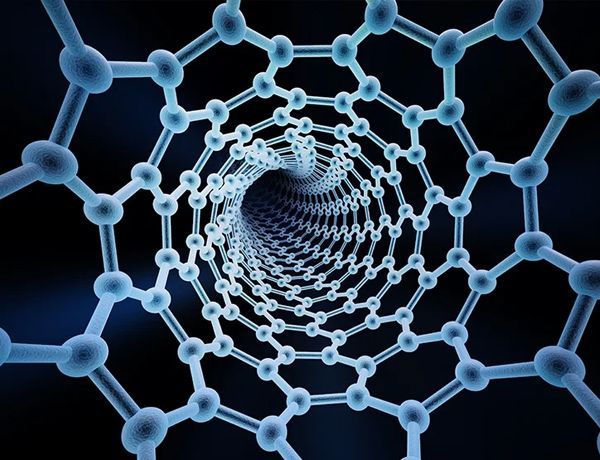
The difficulty in processing graphite and carbon nanotubes stems primarily from their physical properties. Firstly, graphite is soft yet lubricating, making it difficult for ordinary grinding equipment to effectively "grip" and pulverize it. Particles tend to slip between grinding media, leading to low grinding efficiency and high energy consumption. Secondly, materials like carbon nanotubes have a loose structure and extremely low bulk density, resembling a light, floating "black cotton ball." Conventional stirring equipment struggles to quickly and evenly wet them into a liquid, often causing them to float on the surface and form difficult-to-disperse agglomerates. Similarly, our carbon black grinding equipment is specifically optimized for this low bulk density and high oil absorption characteristic, ensuring rapid wetting and efficient dispersion.
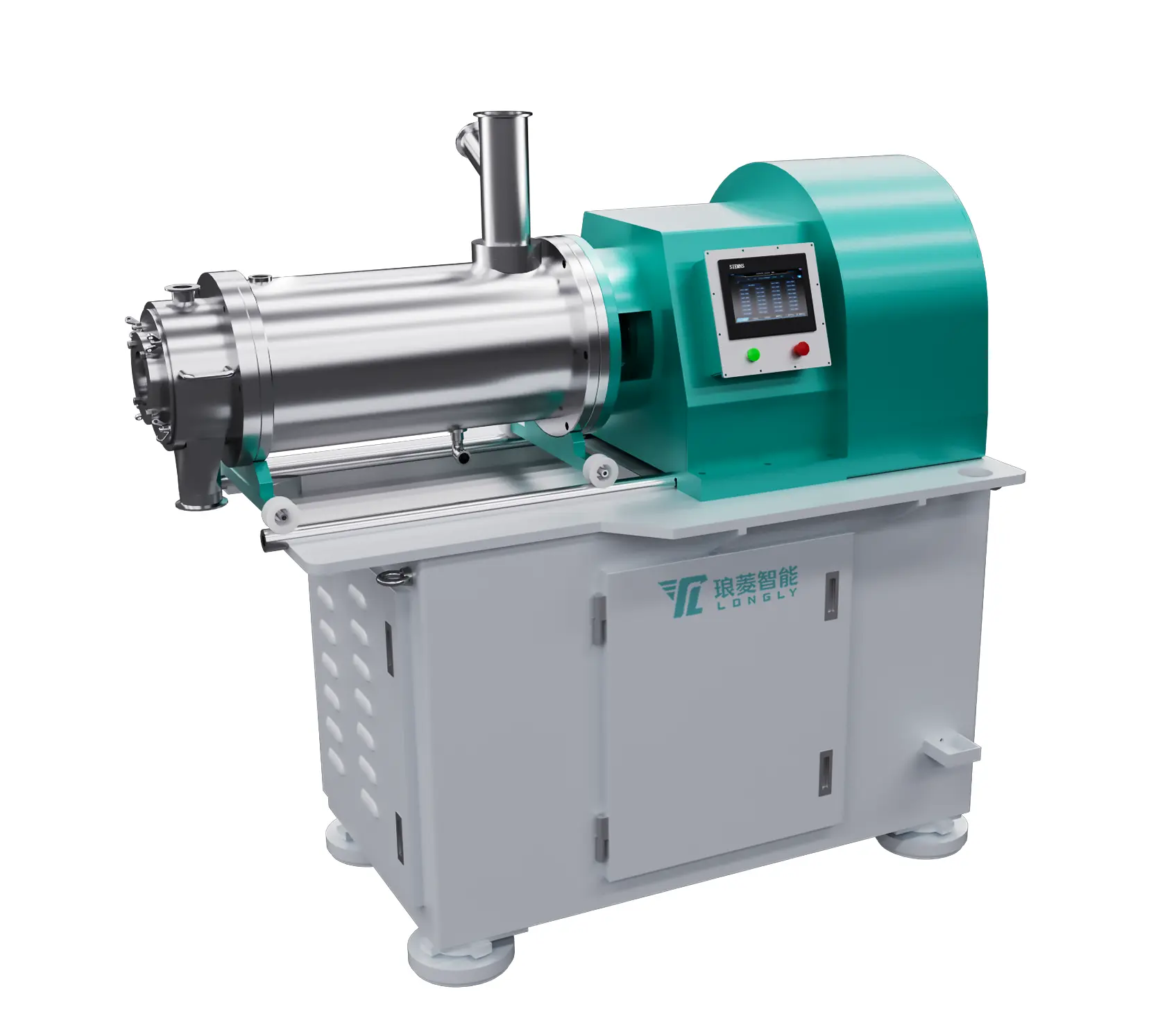
New areas of application and new product developments usually require precisely defined particle sizes. LONGLY grinding and dispersing machines are worldwidely used in the manufacturing process of the following carbon materials to reliably achieve these particle sizes -
Graphite
Carbon Black
Coke
Activated Carbon
Carbon Fiber
Graphene
Carbon Nano Tubes
Diamond
1. Narrow particle size distribution: High energy density design ensures more uniform grinding. It eliminates over-grinding and coarse particles, guaranteeing highly consistent carbon black particle size and stable quality in every batch.
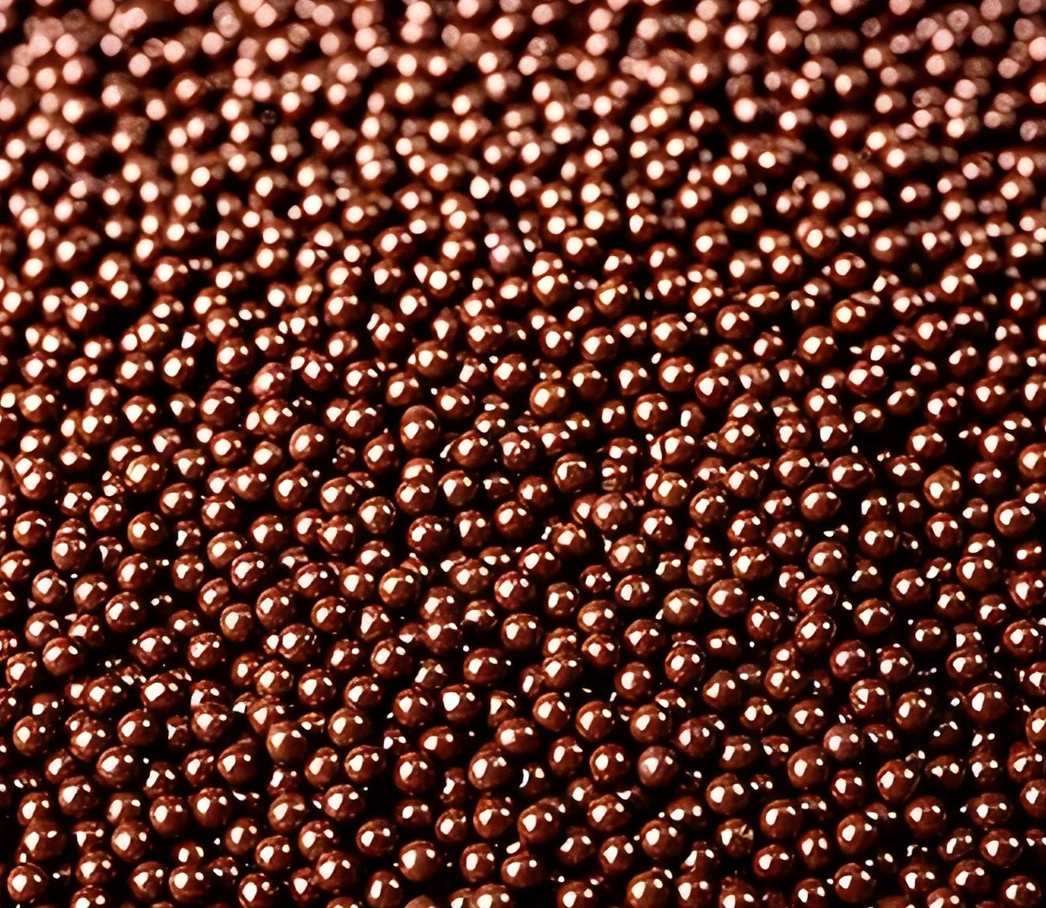
2. No contamination: The grinding chamber is lined with highly wear-resistant material and equipped with high-purity zirconia beads. Even after prolonged grinding, no heavy metal impurities will be introduced, meeting the high purity requirements of lithium batteries and electronic pastes.
3. Low energy consumption: Optimized grinding chamber structure and rotor linear speed concentrate energy on de-agglomeration, preventing waste on heat generation. Achieving the same fineness requires less grinding time and consumes less electricity.
4. Easy maintenance: Modular design allows for quick replacement of wear parts. Intelligent monitoring provides early warnings, reducing downtime and increasing production efficiency.

_20260808100437.webp "LONGLY Q2 2026 Outstanding Employees Commendation Conference")